Moving to Australia With a Dog: Requirements and Quarantine
Moving to Australia with a dog? Check the DAFF Group 3 requirements, USA eligibility, import permit, travel sequence, quarantine and cost categories.
When an article contains affiliate links, we may earn a small commission at no extra cost to you. It never changes which products we recommend, and plain links to manufacturers earn us nothing.
Moving to Australia with a dog starts with DAFF's guide for the dog's export country (DAFF). For Group 3 exports, allow at least 6 months for checks, tests and paperwork (DAFF). A government-approved veterinarian in an approved country must complete the procedures (DAFF). The route covers the microchip, rabies steps, permit, manifested-cargo travel to Melbourne and quarantine at Mickleham (DAFF). The United States of America, excluding Guam and Hawaii, is in Group 3 (DAFF). Check the classification before using this route for another origin (DAFF).
DAFF update: DAFF updated its main cats-and-dogs page on 9 June 2026 (DAFF). It says cats and dogs must arrive with a valid biosecurity import permit and meet all import requirements (DAFF).
How hard is it to move to Australia with a dog?
DAFF calls the Group 3 process complex and says it takes at least 6 months (DAFF). It covers several vet visits, checks and treatments (DAFF). DAFF recommends reading the full guide before starting (DAFF).
The challenge is following the conditions in their stated order. DAFF says the dog must meet every import condition, and the issued permit contains the exact preparations required for that dog (DAFF). Export conditions can vary by country, so the competent authority and government-approved veterinarian in the export country may identify local procedures or additional steps (DAFF).
Scope: DAFF's Group 3 route applies to dogs exported from countries on its Group 3 list. If the export country is not on that list, use the DAFF guide for that animal and country instead (DAFF).
What requirements apply when moving a dog from a Group 3 country?
The import permit is the controlling document: DAFF says its conditions are mandatory and must all be met (DAFF). For Group 3 dogs, the requirements sequence is:
- Confirm eligibility and the origin group. A Group 3 dog must be exported from an approved country (DAFF). It must have lived in an approved country for at least 180 days before export, counted from when the RNATT sample reaches the lab (DAFF). It must also meet the rabies vaccination and testing conditions (DAFF).
- Use the competent authority and approved vet. A government-approved vet in an approved country must complete all pre-export vet procedures before departure (DAFF). The competent authority provides the official documents DAFF checks on arrival (DAFF).
- Verify the microchip. DAFF accepts microchips as the identification method and requires a working ISO-compliant microchip that can be scanned and linked to the permit, health certificate and laboratory reports (DAFF).
- Complete the rabies steps. Rabies vaccination status must remain valid from the RNATT through export (DAFF). Export cannot occur for at least 180 days after the RNATT sample reaches the lab (DAFF).
- Apply for the import permit. DAFF requires the RNATT laboratory report and corresponding declaration with the application, and states that applying does not guarantee a permit will be issued (DAFF).
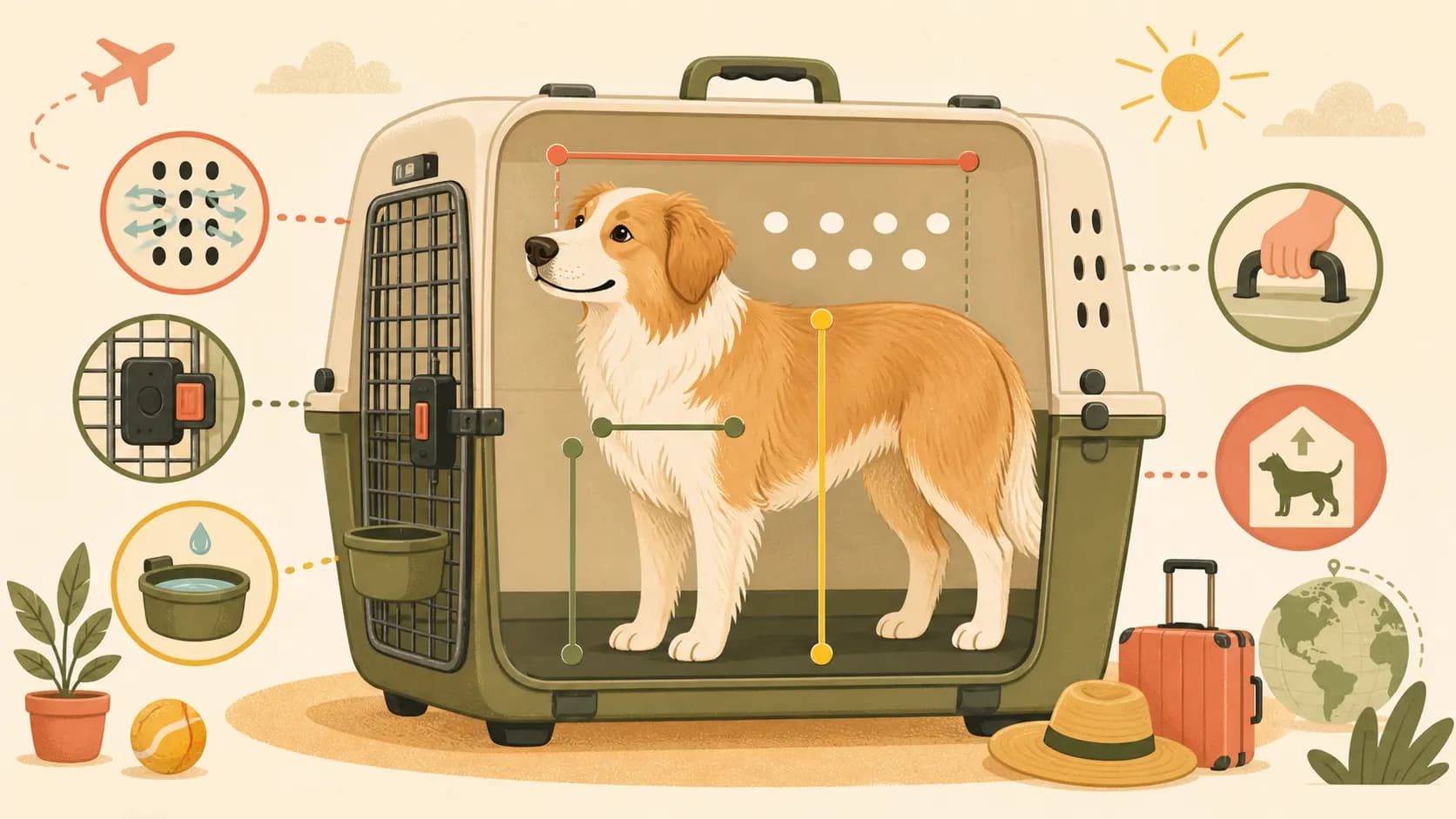
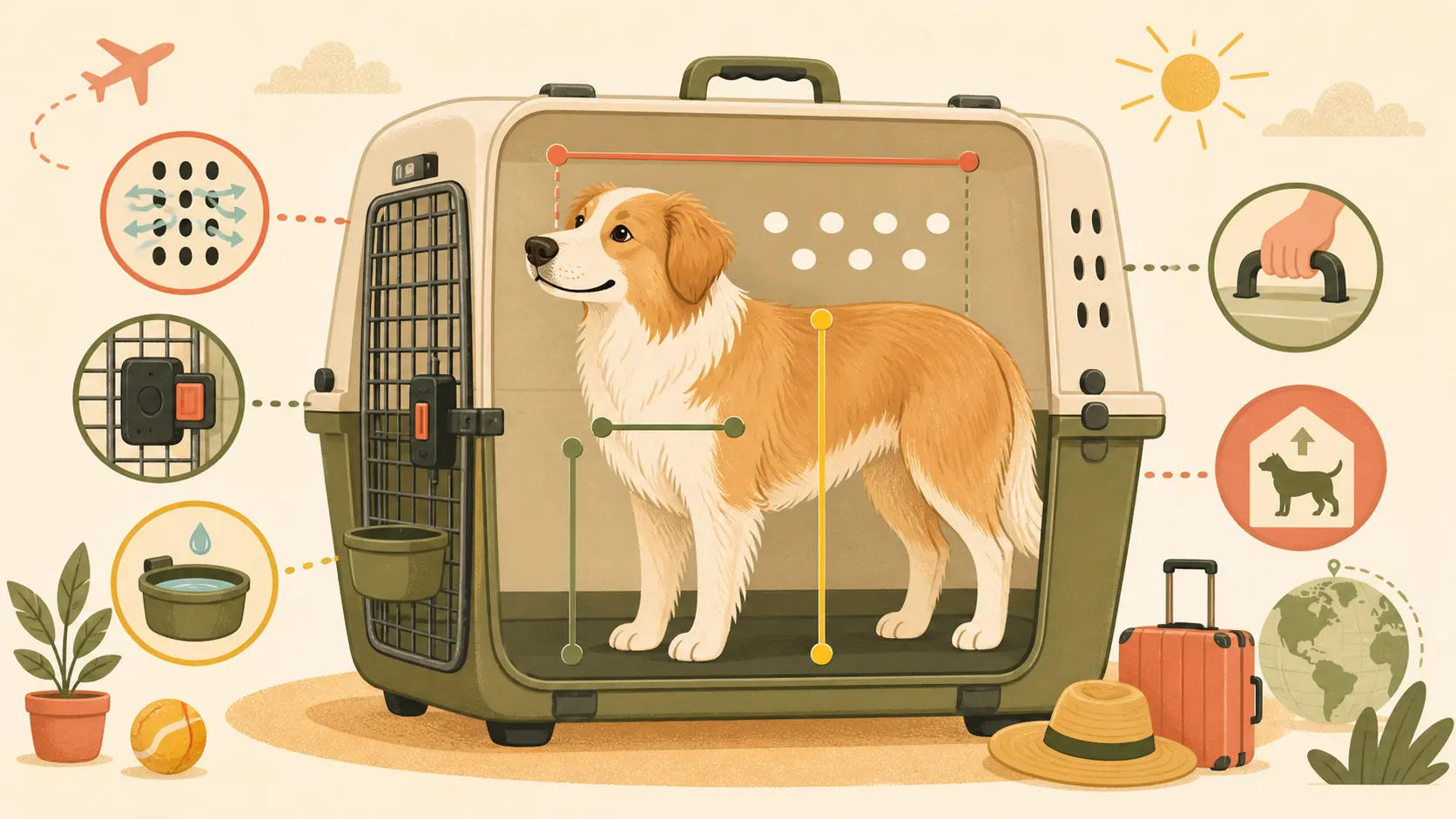
- Book quarantine and travel after the permit is issued. The dog must arrive directly at Melbourne International Airport as manifested cargo in an IATA-approved crate, and domestic transfers are not permitted (DAFF).
- Complete the remaining permit preparations. These health checks, treatments and vaccinations must be completed by a government-approved veterinarian in an approved country, with testing by a laboratory approved by that country's competent authority (DAFF).
- Obtain and endorse the final documents. The final clinical exam must occur within 5 days before export (DAFF). The competent authority's official government vet must endorse the health certificate and required lab reports (DAFF).
- Send the documents with the dog. DAFF requires a valid permit, original veterinary health certificate, relevant laboratory and vaccination records, and RNATT declaration to travel with the dog (DAFF).
What planning table should you use for a Group 3 move?
Use the permit and the current DAFF guide as the final checklist; this table only maps their sequence (DAFF).
| Planning point | What the DAFF sequence says | Evidence to keep aligned |
|---|---|---|
| Before the import process | Confirm the Group 3 route, eligibility and a working ISO-compliant microchip (DAFF) | The microchip number must match the dog's import documents and test samples (DAFF) |
| Before the RNATT | An optional identity check by the competent authority must occur before the RNATT blood draw if used to reduce the quarantine minimum (DAFF) | A pet passport, vaccination card or microchip certificate is not accepted as an equivalent identity declaration (DAFF) |
| After the RNATT declaration | Apply for the import permit as soon as you can after receiving the declaration (DAFF) | The permit must be valid when the dog arrives in Australia (DAFF) |
| After permit issue | Book Mickleham post-entry quarantine and arrange travel (DAFF) | The dog must arrive directly at Melbourne International Airport as manifested cargo in an IATA-approved crate (DAFF) |
| Before export | Complete every remaining veterinary preparation and final document endorsement within the windows stated by the guide and permit (DAFF) | The valid permit and required original or endorsed records must travel with the dog (DAFF) |
Do not substitute this table for the permit. DAFF says the permit specifies the mandatory pre-export veterinary procedures for the individual dog (DAFF).
Can you bring a dog to Australia from the USA?
Yes, when the dog and export satisfy the Group 3 conditions. DAFF's list includes the United States of America, excluding Guam and Hawaii (DAFF). Those exclusions mean you should not describe every US origin as following this route (DAFF).
DAFF also requires full canine influenza vaccination for dogs from the United States (DAFF). The vaccine must be registered for dogs in the export country (DAFF). It must be effective against the strains where the dog has lived (DAFF). The competent authority explains local procedures and identifies the vets who can prepare the dog (DAFF). Our US international health certificate guide explains that export document. The Australian permit and DAFF guide still control entry (DAFF).
How much does it cost to immigrate your dog to Australia?
DAFF does not provide an all-in price on either cited page (DAFF, DAFF Group 3 guide). DAFF says fees apply for services including permit assessment and quarantine, all quarantine costs must be paid before release, and the importer must pay all dog transport costs (DAFF).
Build quotes around the providers involved, without treating any private quote as a government-set amount:
- DAFF services: permit assessment and quarantine have fees (DAFF).
- Veterinary and laboratory work: the Group 3 process includes multiple veterinary visits, checks and treatments (DAFF).
- Air transport: the importer must pay all transport costs, and carriage is at the airline operator's discretion (DAFF).
- Optional transport agent: DAFF encourages an experienced agent but calls this optional, cannot recommend one agent over another, and has no influence over an agent's fees or charges (DAFF).
Private veterinary, laboratory, agent and airline prices therefore need current, case-specific quotes. DAFF does not control the optional agent's charges, and the cited Group 3 page gives no private airline total (DAFF).
How long is quarantine for dogs moving to Australia?
DAFF sets at least 30 days at Mickleham for Group 3 dogs (DAFF). The minimum can fall to at least 10 days if an official government vet verified identity before the RNATT blood draw (DAFF). The same reduction can apply to an Australia-origin dog with the stated identity evidence on Australian export certification (DAFF). Group 3 dogs must complete post-entry quarantine (DAFF).
The identity check is optional (DAFF). The competent authority in an approved country must perform it before other pre-export work (DAFF). It cannot occur at the same vet visit as the RNATT (DAFF). It changes the stated minimum stay when its conditions are met (DAFF). It does not avoid quarantine (DAFF).
How much does it cost to quarantine a dog in Australia?
DAFF says fees apply for quarantine and all quarantine costs must be paid before the dog is released (DAFF). Keep that charge separate from permit assessment, veterinary and laboratory work, air transport and any optional transport agent fees (DAFF).
How stressful is flying for dogs?
DAFF states that overseas travel can cause stress to animals (DAFF). It asks owners of sick or elderly dogs to consider whether the move is right (DAFF). It does not recommend importing sick or very old animals (DAFF).
DAFF does not give a stress rate or predict how an individual dog will respond (DAFF). DAFF also notes that animals may be unable to receive medication during transport and directs owners to consider the dog's interests before long-distance travel and quarantine (DAFF).
What should you check after the import plan is settled?
Keep relocation compliance and insurance shopping as separate decisions. Once the DAFF route, permit conditions and travel plan are understood, you can compare pet insurance profiles without treating insurance as a substitute for any import requirement.
Frequently asked questions
Is the 180-day period in an approved country a quarantine period?
No. DAFF says the 180 days in an approved country is not quarantine (DAFF). The dog may live with you or someone else in an approved country while being prepared (DAFF). It must then complete quarantine after arrival (DAFF).
Where must a Group 3 dog arrive in Australia?
The dog must arrive directly at Melbourne International Airport; DAFF does not permit a domestic transfer such as arriving in Sydney and then flying to Melbourne (DAFF).
Can a dog travel in the aircraft cabin to Australia on this route?
No. The Group 3 guide says the dog must travel as manifested cargo, not in the cabin, and in an IATA-approved crate (DAFF).
Weighing Australia against another destination? Our moving to Canada with a dog entry guide walks through the CFIA arrival requirements and CBSA border fees for that corridor.
Written by the FG Team, the Furry Guardian editorial team, who keeps these border rules current.
- DAFF, Bringing cats and dogs to Australia (updated 9 June 2026): https://www.agriculture.gov.au/biosecurity-trade/cats-dogs
- DAFF, How to bring your dog to Australia from a Group 3 country: https://www.agriculture.gov.au/biosecurity-trade/cats-dogs/how-to-import/step-by-step-guides/category-3-step-by-step-guide-for-dogs